Revisionism / Revisionismo

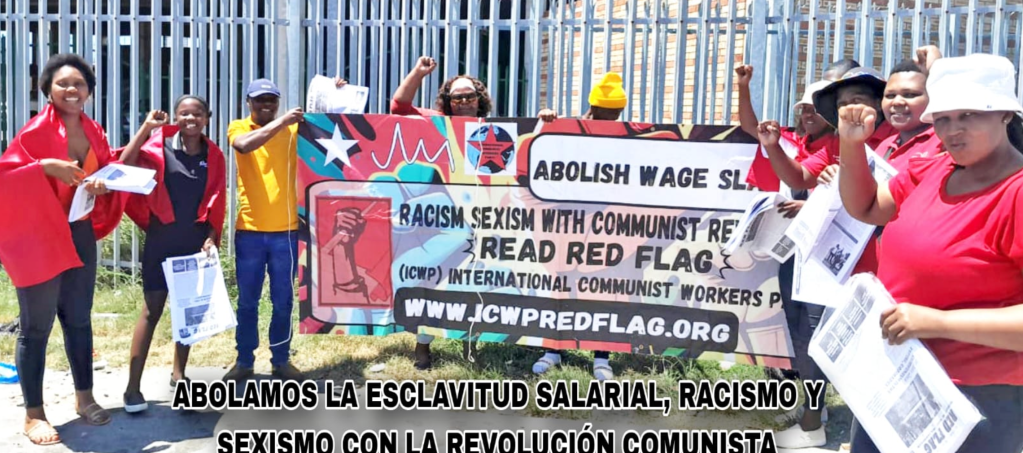
“What revisionism tries to do is to re-invent history, to look at it from the point of view of convenience of political opportunism,” assured a Spanish worker. What these revisionist groups are trying to make believe is that the working class can win power from the capitalists peacefully, through struggles with electoral parties or unions sold out to reform, with miserable wage increases, leaving the bosses’ system intact.

The communists organized in the International Communist Workers Party through revolutionary theory and practice, have managed to assimilate and advance Marxist-Leninist ideas: that the only way forward for the revolutionary triumph is to abolish money and to build a red army, organized by urban workers, soldiers and rural workers who put into practice the only way to defeat the bosses, through revolutionary armed violence. There is no other option.

The bosses fight daily battles with weapons-in Gaza and Ukraine. They also starve the working class from Africa to Latin America and beyond. They will never give power peacefully. For these revisionists, the class struggle between proletarians and bosses is very difficult. They think it is better to go the way of accommodation and betrayal, of surrendering the workers’ struggles for crumbs from the bosses. This conduct is the penetration of bourgeois ideas into the workers’ movement.

Revisionism is capitalist ideas disguised as revolutionary communist ideas within the revolutionary movement. Revisionist groups and their leaders fight for reformist, capitalist ideas and practices but pose as revolutionaries. They lack confidence that the masses can be won to fight directly for communism, and nothing less.

“In the struggle against this omnipresent force [of imperialism], the usual methods of the working class, the unions and cooperatives, the parliamentary parties and the parliamentary struggle are absolutely insufficient. One of two things: they surrender to the mercy of capitalism, they assimilate to what is customary and sink deeper and deeper, or they take up a new weapon: that is how imperialism poses the question to the masses of millions of proletarians,” wrote Joseph Stalin, a Russian Communist leader.

“Whatever they [revisionist groups] are stirring up is worse for us workers” assured another Spanish worker.

These traitors to the proletarian revolution are trying to modify communist ideas to adapt to the bosses’ system on a daily basis, to achieve a demand for a miserable wage increase, when what we should be fighting for is the abolition of wage slavery.

The potential of the world working class is clear. We have full confidence that the bosses’ system can be unmasked and the reformist, nationalist, racist behavior implemented by the bosses and their servants can be defeated with communist organizing.

We must wage a struggle to recruit more workers and youth, to recruit them to constitute a mass of steel and concrete where the reformist and revisionist ideas crash and dissolve, where the red army of the working class is prepared, where millions of workers have the communist ideas of the International Communist Workers Party.

While the revisionist groups fight to win a few representatives in the capitalist parliaments, the communists organized in ICWP are waging the war to establish the power of the international proletarian class. We are fighting directly for a communist (not socialist) world without capitalists, money, or wage slavery. We aim to build a mass party worldwide with millions of leaders and collectives in the factories, militaries, schools and neighborhoods.

[RETURN TO ENTRIES]

[TRADUCCIÓN PROVISIONAL]


Revisionismo

«Lo que el revisionismo intenta hacer es reinventar la historia, mirarla desde el punto de vista de la conveniencia del oportunismo político», aseguró un trabajador español. Lo que estos grupos revisionistas intentan hacer creer es que la clase trabajadora puede arrebatar el poder a los capitalistas de forma pacífica, a través de luchas con partidos electorales o sindicatos vendidos a la reforma, con miserables aumentos salariales, dejando intacto el sistema de los jefes.

Los comunistas organizados en el Partido Comunista Obrero Internacional a través de la teoría y la práctica revolucionarias, han logrado asimilar y promover las ideas marxista-leninistas: que el único camino hacia el triunfo revolucionario es abolir el dinero y construir un ejército rojo, organizado por trabajadores urbanos, soldados y trabajadores rurales que pongan en práctica la única forma de derrotar a los patrones, a través de la violencia armada revolucionaria. No hay otra opción.

Los jefes libran batallas diarias con armas, en Gaza y Ucrania. También matan de hambre a la clase trabajadora desde África hasta América Latina y más allá. Nunca entregarán el poder pacíficamente. Para estos revisionistas, la lucha de clases entre proletarios y jefes es muy difícil. Creen que es mejor seguir el camino de la acomodación y la traición, de entregar las luchas de los trabajadores por migajas de los jefes. Esta conducta es la penetración de las ideas burguesas en el movimiento obrero.

El revisionismo son ideas capitalistas disfrazadas de ideas comunistas revolucionarias dentro del movimiento revolucionario. Los grupos revisionistas y sus líderes luchan por ideas y prácticas reformistas y capitalistas, pero se hacen pasar por revolucionarios. No confían en que las masas puedan ser ganadas para luchar directamente por el comunismo, y nada menos.

«En la lucha contra esta fuerza omnipresente [del imperialismo], los métodos habituales de la clase obrera, los sindicatos y las cooperativas, los partidos parlamentarios y la lucha parlamentaria son absolutamente insuficientes. Una de dos: se rinden a la merced del capitalismo, se asimilan a lo acostumbrado y se hunden cada vez más, o empuñan un arma nueva: así plantea el imperialismo la cuestión a las masas de millones de proletarios», escribió Joseph Stalin, líder comunista ruso.

«Sea lo que sea lo que están agitando [los grupos revisionistas], es peor para nosotros, los trabajadores», aseguró otro trabajador español.

Estos traidores a la revolución proletaria están tratando de modificar las ideas comunistas para adaptarlas al sistema de los patrones a diario, para lograr una demanda de un miserable aumento salarial, cuando por lo que deberíamos luchar es por la abolición de la esclavitud asalariada.

El potencial de la clase trabajadora mundial es claro. Tenemos plena confianza en que el sistema de los patrones puede ser desenmascarado y el comportamiento reformista, nacionalista y racista implementado por los patrones y sus sirvientes puede ser derrotado con la organización comunista.

Debemos librar una lucha para reclutar a más trabajadores y jóvenes, para reclutarlos para constituir una masa de acero y hormigón donde las ideas reformistas y revisionistas se estrellen y disuelvan, donde se prepare el ejército rojo de la clase obrera, donde millones de trabajadores tengan las ideas comunistas del Partido Comunista Obrero Internacional.

Mientras los grupos revisionistas luchan por ganar unos pocos representantes en los parlamentos capitalistas, los comunistas organizados en el PCOI libran la guerra para establecer el poder de la clase proletaria internacional. Luchamos directamente por un mundo comunista (no socialista) sin capitalistas, dinero ni esclavitud asalariada. Nuestro objetivo es construir un partido de masas en todo el mundo con millones de líderes y colectivos en las fábricas, los ejércitos, las escuelas y los barrios.
[VOLVER A LAS ENTRADAS

Communist Manifesto / Manifiesto Comunista

[ESPAÑOL ABAJO]

According to the Communist Manifesto, by Karl Marx and Friedrich Engels, history is fundamentally shaped by class struggles between oppressors and the oppressed. Societies are organized into various hierarchies and social ranks, with one class holding power and the others facing subjugation. These conflicts often end either in revolutionary restructuring or the mutual ruin of the opposing classes.

Historically, each society has had its own form of class struggle: in ancient Rome, patricians oppressed plebeians and slaves; in medieval feudalism, lords held control over serfs. In the modern age, this pattern has continued in capitalist society, which, while different from feudalism, has not eradicated class antagonisms. Instead, capitalism simplified these conflicts into a more straightforward division: the bourgeoisie (the capital-owning class) and the proletariat (the working class). Capitalism, in Marx and Engels’ view, arose from the remnants of feudal society but reconfigured social power around capital.

The bourgeoisie, through global trade, colonial expansion, and industrialization, reshaped society in pursuit of profit. As capitalism developed, it created an unprecedented global economy, revolutionized production with technological advancements, and concentrated wealth and power. By establishing markets around the world, the bourgeoisie disrupted traditional economies and ways of life, imposing a system where production and consumption are interconnected globally.

Capitalism’s rise, however, led to new forms of exploitation and a continuous reorganization of social relations. The bourgeoisie had replaced feudal obligations and personal relationships with a society driven by self-interest, profit, and “cash payments.” Social roles and professions became commodities, with individuals valued for their economic productivity rather than inherent worth. This relentless drive for profit brought about social instability, as old values, religious beliefs, and societal structures were swept away by capitalist enterprise.

As industrialization progressed, capitalism transformed the nature of labor and further alienated the proletariat. Workers, once artisans with specialized skills, were reduced to factory laborers performing monotonous tasks dictated by machinery. They became “appendages of the machine,” losing individual character and facing worsening conditions, stagnant wages, and longer hours. The working class, due to its large numbers and exploitation, was destined to become increasingly aware of its collective power and shared interests.

The development of capitalism is inherently self-destructive. Capitalism relies on constant growth, which periodically leads to crises of “overproduction,” where the goods produced exceed market demand, leading to economic downturns. Each crisis grows in intensity, throwing society into disarray and underscoring capitalism’s instability. To overcome these crises, the bourgeoisie seeks new markets or further exploits existing ones, creating even greater instability and exploitation.

This cycle of crisis and growth intensifies class struggle as the proletariat becomes organized, forming unions and movements to fight for better wages and conditions. Eventually the proletariat will organize politically to overthrow the bourgeoisie. Unlike previous ruling classes, the proletariat has no interest in perpetuating property-based oppression since their conditions only improve by dismantling private property altogether.

The manifesto concludes with a call to action for the proletariat to recognize its revolutionary potential, overthrow the capitalist system, and establish a classless society. Only by abolishing private ownership of the means of production can true social equality and freedom be achieved, bringing an end to historical cycles of oppression and exploitation.

Return to Entries

[TRADUCCIÓN PROVISIONAL]

Según el Manifiesto Comunista , de Karl Marx y Friedrich Engels, la historia está determinada fundamentalmente por la lucha de clases entre opresores y oprimidos. Las sociedades se organizan en diversas jerarquías y rangos sociales, en los que una clase ostenta el poder y las demás se enfrentan a la subyugación. Estos conflictos suelen acabar en una reestructuración revolucionaria o en la ruina mutua de las clases enfrentadas.

Históricamente, cada sociedad ha tenido su propia forma de lucha de clases: en la antigua Roma, los patricios oprimían a los plebeyos y a los esclavos; en el feudalismo medieval, los señores controlaban a los siervos. En la era moderna, este patrón ha continuado en la sociedad capitalista, que, aunque diferente del feudalismo, no ha erradicado los antagonismos de clase. En cambio, el capitalismo simplificó estos conflictos en una división más directa: la burguesía (la clase propietaria del capital) y el proletariado (la clase trabajadora). El capitalismo, en opinión de Marx y Engels, surgió de los restos de la sociedad feudal, pero reconfiguró el poder social en torno al capital.

La burguesía, a través del comercio mundial, la expansión colonial y la industrialización, reconfiguró la sociedad en busca del beneficio. A medida que se desarrollaba, el capitalismo creó una economía global sin precedentes, revolucionó la producción con los avances tecnológicos y concentró la riqueza y el poder. Al establecer mercados en todo el mundo, la burguesía trastocó las economías y formas de vida tradicionales, imponiendo un sistema en el que la producción y el consumo están interconectados globalmente.

Sin embargo, el auge del capitalismo dio lugar a nuevas formas de explotación y a una continua reorganización de las relaciones sociales. La burguesía había sustituido las obligaciones feudales y las relaciones personales por una sociedad impulsada por el interés propio, el beneficio y los «pagos en efectivo». Los roles sociales y las profesiones se convirtieron en mercancías, valorándose a los individuos por su productividad económica más que por su valor inherente. Este implacable afán de lucro provocó inestabilidad social, ya que los antiguos valores, creencias religiosas y estructuras sociales fueron barridos por la empresa capitalista.

A medida que avanzaba la industrialización, el capitalismo transformó la naturaleza del trabajo y alienó aún más al proletariado. Los trabajadores, antaño artesanos con conocimientos especializados, quedaron reducidos a obreros de fábrica que realizaban tareas monótonas dictadas por la maquinaria. Se convirtieron en «apéndices de la máquina», perdiendo el carácter individual y enfrentándose a condiciones cada vez peores, salarios estancados y jornadas laborales más largas. La clase obrera, debido a su gran número y a su explotación, estaba destinada a ser cada vez más consciente de su poder colectivo y de sus intereses compartidos.

El desarrollo del capitalismo es intrínsecamente autodestructivo. El capitalismo se basa en el crecimiento constante, que periódicamente conduce a crisis de «sobreproducción», en las que los bienes producidos superan la demanda del mercado, lo que provoca recesiones económicas. Cada crisis crece en intensidad, sumiendo a la sociedad en el caos y subrayando la inestabilidad del capitalismo. Para superar estas crisis, la burguesía busca nuevos mercados o explota aún más los existentes, creando una inestabilidad y una explotación aún mayores.

Este ciclo de crisis y crecimiento intensifica la lucha de clases a medida que el proletariado se organiza, formando sindicatos y movimientos para luchar por mejores salarios y condiciones. Finalmente, el proletariado se organizará políticamente para derrocar a la burguesía. A diferencia de las clases dominantes anteriores, el proletariado no tiene interés en perpetuar la opresión basada en la propiedad, ya que sus condiciones sólo mejoran desmantelando por completo la propiedad privada.

El manifiesto concluye con un llamamiento a la acción para que el proletariado reconozca su potencial revolucionario, derroque el sistema capitalista y establezca una sociedad sin clases. Sólo mediante la abolición de la propiedad privada de los medios de producción podrá alcanzarse la verdadera igualdad social y la libertad, poniendo fin a los ciclos históricos de opresión y explotación.

Volver a las entradas

Education / Educación

[ESPAÑOL ABAJO]

Education has always been shaped by the way societies organize their economies, including under capitalism. Education isn’t just what happens in schools; it’s how all social institutions, like family, government, and media, shape people’s beliefs, behavior, and roles. Under capitalism, schools play an important role in maintaining the power of the wealthy class. Schools for the rich prepare them to be leaders, while schools for working-class children prepare them to follow orders, whether as workers or soldiers. Schools teach the values and behaviors that keep the current system in place, making people accept exploitation and war. 

Communism would completely change education by getting rid of money, social classes, and private ownership of resources. In this new society, everyone would contribute what they can, and everyone’s needs would be met. There will be no rich people. This shift will eliminate the individualistic and competitive attitudes that capitalist education promotes. Instead, people will learn cooperation and collective responsibility, essential for building a communist society. 

When the working class takes control, they will end practices like wages and producing goods just to sell them for profit. People’s motivation to work would not come from personal gain but from a shared commitment to a fair and egalitarian society. Education in a communist society will train people to be active participants in this cooperative system, rather than passive followers. People would be encouraged to analyze, criticize, and make decisions together, so that everyone could play a role in shaping the society. 

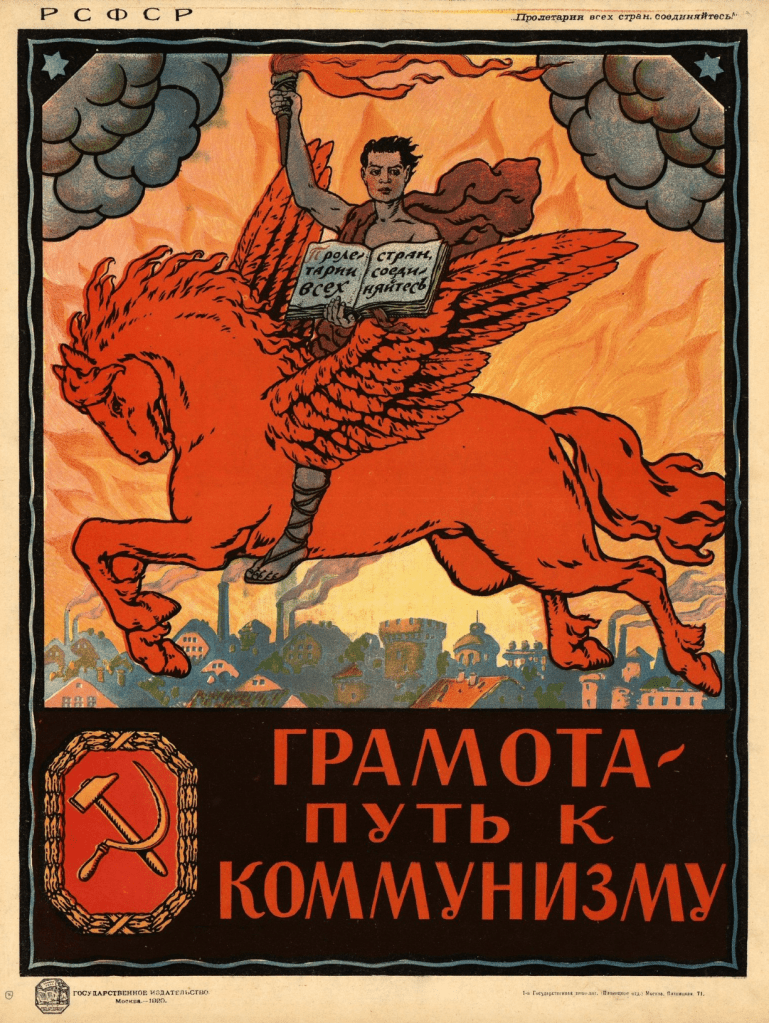
The purpose of communist education would be to foster communist values and relationships, not just to improve schools within a capitalist framework. For instance, communist education wouldn’t just prepare people for jobs; it would teach them how to build a cooperative, collective society. This education would break down the separation between “mental” and “manual” labor. In a capitalist system, intellectual work (like engineering) is seen as more valuable than manual work (like construction), but communist education would combine both. People would understand both the scientific and practical sides of their work, erasing the idea that one type of work or worker is superior to another.

Capitalist education promotes capitalist ideology and practice. Communist learning and communist society will promote communist ideology and practice. Communist learning is based on the understanding that all the masses can give leadership in some aspect of life and work, that communism will respect, allow and encourage everyone to develop to their full potential

In a communist system, everyone would be involved in both learning and teaching throughout their lives. Instead of having full-time professional teachers, everyone would share their knowledge and skills. The distinction between teacher and student will disappear as people learn directly from each other in real-world environments rather than isolated classrooms. This approach would help eliminate the social divides created by capitalism, where only a few people are seen as “experts,” and others are not.

Communist education would also focus on breaking down all types of social inequality, including racism and sexism. People will learn to work together as equals, creating bonds of cooperation and shared responsibility. Education would no longer be about producing workers or consumers but about creating a community of equals who understand and value each other’s roles. Children, adults, and the elderly would all participate in lifelong learning, helping each other grow and contribute.

Communist education is a tool for building a society based on collectivity and cooperation. Education will no longer serve the interests of a wealthy few but will benefit everyone. This transformation would help create the values, relationships, and skills necessary for a world without exploitation or oppression. We call on people to join the movement to fight for this new vision of education as part of a larger effort to create a fair and just society – that is, a communist society.

Return to Entries

[TRADUCCIÓN PROVISIONAL]

La educación siempre ha estado determinada por la forma en que las sociedades organizan sus economías, incluso bajo el capitalismo. La educación no es solo lo que ocurre en las escuelas, sino cómo todas las instituciones sociales, como la familia, el gobierno y los medios de comunicación, moldean las creencias, el comportamiento y los roles de las personas. En el capitalismo, las escuelas desempeñan un papel importante en el mantenimiento del poder de la clase rica. Las escuelas para los ricos los preparan para ser líderes, mientras que las escuelas para los niños de la clase trabajadora los preparan para seguir órdenes, ya sea como trabajadores o como soldados. Las escuelas enseñan los valores y comportamientos que mantienen el sistema actual, haciendo que las personas acepten la explotación y la guerra.


El comunismo cambiaría por completo la educación al eliminar el dinero, las clases sociales y la propiedad privada de los recursos. En esta nueva sociedad, todos contribuirían con lo que pudieran y se satisfarían las necesidades de todos. No habría personas ricas. Este cambio eliminaría las actitudes individualistas y competitivas que promueve la educación capitalista. En su lugar, las personas aprenderían la cooperación y la responsabilidad colectiva, esenciales para construir una sociedad comunista.


Cuando la clase trabajadora tome el control, pondrá fin a prácticas como los salarios y la producción de bienes con el único fin de venderlos para obtener beneficios. La motivación de las personas para trabajar no provendría de la ganancia personal, sino de un compromiso compartido con una sociedad justa e igualitaria. La educación en una sociedad comunista formaría a las personas para que participaran activamente en este sistema cooperativo, en lugar de ser seguidores pasivos. Se animaría a las personas a analizar, criticar y tomar decisiones juntas, de modo que todas pudieran desempeñar un papel en la configuración de la sociedad.


El objetivo de la educación comunista sería fomentar los valores y las relaciones comunistas, no solo mejorar las escuelas dentro del marco capitalista. Por ejemplo, la educación comunista no solo prepararía a las personas para el trabajo, sino que les enseñaría a construir una sociedad cooperativa y colectiva. Esta educación rompería la separación entre el trabajo «mental» y el «manual». En un sistema capitalista, el trabajo intelectual (como la ingeniería) se considera más valioso que el trabajo manual (como la construcción), pero la educación comunista combinaría ambos. Las personas comprenderían tanto el aspecto científico como el práctico de su trabajo, eliminando la idea de que un tipo de trabajo o de trabajador es superior a otro.


La educación capitalista promueve la ideología y la práctica capitalistas. El aprendizaje comunista y la sociedad comunista promoverán la ideología y la práctica comunistas. El aprendizaje comunista se basa en la comprensión de que todas las masas pueden ejercer el liderazgo en algún aspecto de la vida y el trabajo, que el comunismo respetará, permitirá y alentará a todos a desarrollar su pleno potencial.


En un sistema comunista, todo el mundo participaría tanto en el aprendizaje como en la enseñanza a lo largo de su vida. En lugar de tener profesores profesionales a tiempo completo, todo el mundo compartiría sus conocimientos y habilidades. La distinción entre profesor y alumno desaparecería, ya que las personas aprenderían directamente unas de otras en entornos reales, en lugar de en aulas aisladas. Este enfoque contribuiría a eliminar las divisiones sociales creadas por el capitalismo, en las que solo unas pocas personas son consideradas «expertas» y las demás no.


La educación comunista también se centraría en acabar con todo tipo de desigualdad social, incluyendo el racismo y el sexismo. Las personas aprenderían a trabajar juntas en igualdad, creando lazos de cooperación y responsabilidad compartida. La educación ya no se centraría en producir trabajadores o consumidores, sino en crear una comunidad de iguales que se entienden y valoran mutuamente. Los niños, los adultos y los ancianos participarían en el aprendizaje a lo largo de toda la vida, ayudándose mutuamente a crecer y contribuir.


La educación comunista es una herramienta para construir una sociedad basada en la colectividad y la cooperación. La educación ya no serviría a los intereses de unos pocos ricos, sino que beneficiaría a todos. Esta transformación ayudaría a crear los valores, las relaciones y las habilidades necesarias para un mundo sin explotación ni opresión. Hacemos un llamamiento a las personas para que se unan al movimiento y luchen por esta nueva visión de la educación como parte de un esfuerzo más amplio por crear una sociedad justa y equitativa, es decir, una sociedad comunista.

Volver a las Entradas

Literacy, road to communism

Xenophobia / Xenophobia

[ESPAÑOL ABAJO]


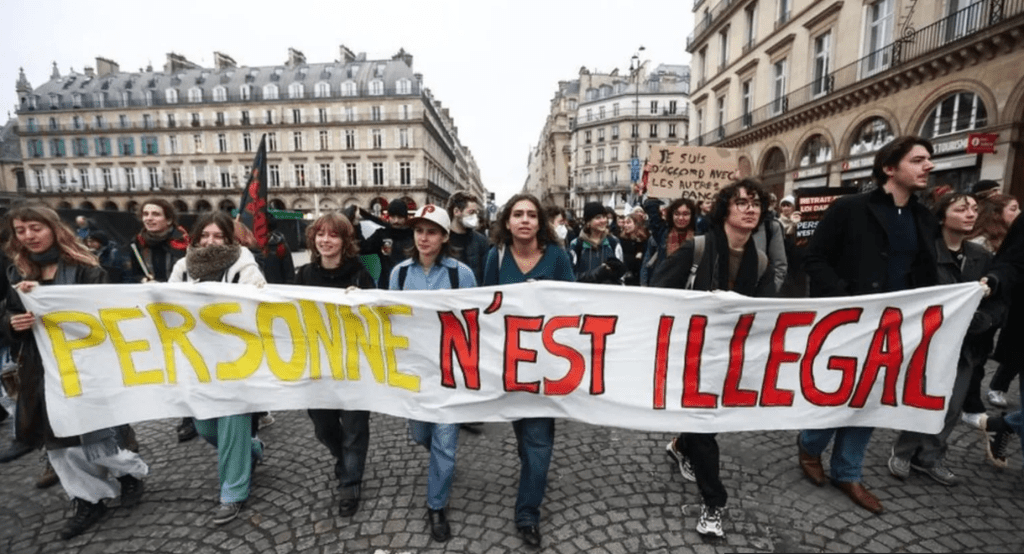
Xenophobia is hatred and fear of immigrants and is on the rise, including in Europe, the US, and South Africa.

Xenophobia has always been used to squeeze super profits out of immigrant workers and to divide workers: native born vs immigrants. But now, with the global crisis of capitalism, the bosses are resorting to fascism and preparing for war. They need to make sure enough workers are on board for this. They are using xenophobia. By whipping up xenophobia they hope to convince workers that ‘foreigners’ are their enemies and are responsible for their suffering.

There is only one way to end this global capitalist catastrophe: communist revolution. Only communism can end borders, nations and xenophobia.

Communism will organize production based on collective labor. It will never pit worker against worker or nation against nation to maximize profits. Communism abolishes the material basis of xenophobia by abolishing work for wages. No more competition for jobs, no more greedy employers terrorizing immigrants to accept low paying jobs. In communism there will be useful work for everyone meeting the masses’ needs.

In 2023, more than six million migrants fled to Europe from imperialist wars and poverty in Ukraine, the Middle East and Africa. Many crossed the Aegean Sea in overcrowded and unsafe boats. Thousands drowned.

The capitalist class can’t have the workers blaming it for increased oppression and imperialist wars. They have to convince at least some sections of the working class to blame other workers instead. The fate of their fascism depends on it.

No wonder the bosses’ fascist politicians have ramped up xenophobia. During the last few years, spreading hatred of immigrants has been the cutting edge of the fascist campaign. Border security has been the rallying cry of all capitalist parties everywhere. It has become a code word for xenophobia and racism. Hatred of foreigners is compounded by racism. In the U.S. and Europe, special animosity is reserved for Hispanic, African and Middle Eastern refugees, especially Muslims.

But workers have, are and will unite against this anti-immigrant racism.  Mexican workers assist the trainloads of immigrants from the south of Mexico as they travel north to the US. The train is called “La Bestia” and the residents of some Mexican towns come out to give food to those on the train traveling north.

Capitalist governments and the bosses’ media feed us a foul stew of fascist lies to demonize refugees. Hispanic immigrants are “rapists and murderers.” African and Middle Eastern migrants are terrorists. Zimbabwean migrant miners are blamed for wage cuts in South Africa.

In the last US election xenophobia made a qualitative leap. Trump waged an explicitly xenophobic campaign, calling immigrants “animals”. He has promised to deport millions of immigrants, including US citizens, and has appointed fascists to carry this out.

This conflict between ‘native’ and ‘foreign’ workers benefits only the bosses. The ‘natiive’ workers have just as much interest in fighting xenophobia because xenophobia holds back the fight for a communist future. Immigrant workers have been and will be leaders in this fight to unite our whole class for communism.

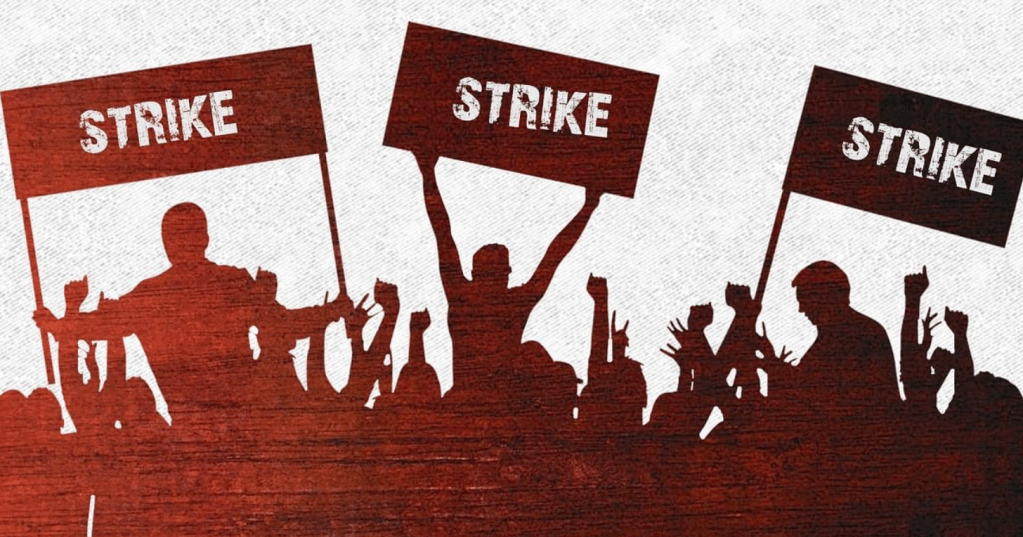
In response to deportations and racism, ICWP calls for mass strikes, walkouts and other actions for a communist world without borders, racism or wage slavery. We should also join the masses in organizing strikes, walkouts, and other forms of protests against ICE. In doing so, we put forward communism, calling for a future without nations or borders. This includes  Red Flag / Bandera Roja, communist leaflets, and the red flags of communist workers’ internationalism to these events.

Join us! Bring your friends, family, co-workers and fellow soldiers.

Return to Entries

Based on pamphlet, Fight for the Day When No Worker will be Called Foreigner

[TRADUCCIÓN PROVISIONAL]

La xenofobia es el odio y el miedo a los inmigrantes, y está en aumento, incluso en Europa, Estados Unidos y Sudáfrica.

La xenofobia siempre se ha utilizado para extraer superganancias de los trabajadores inmigrantes y para dividir a la clase trabajadora: nativos contra inmigrantes. Pero ahora, con la crisis global del capitalismo, los patrones están recurriendo al fascismo y preparándose para la guerra. Necesitan asegurarse de que suficientes trabajadores se alineen con este proyecto. Para ello usan la xenofobia. Al avivarla, esperan convencer a los trabajadores de que los “extranjeros” son sus enemigos y los responsables de su sufrimiento.

Solo hay una manera de poner fin a esta catástrofe capitalista global: la revolución comunista. Solo el comunismo puede acabar con las fronteras, las naciones y la xenofobia.

El comunismo organizará la producción sobre la base del trabajo colectivo. Nunca enfrentará trabajador contra trabajador ni nación contra nación para maximizar las ganancias. El comunismo elimina la base material de la xenofobia al abolir el trabajo asalariado. No habrá más competencia por empleos ni empleadores voraces aterrorizando a inmigrantes para que acepten trabajos mal pagados. En el comunismo habrá trabajo útil para todas las personas, orientado a satisfacer las necesidades de las masas.

En 2023, más de seis millones de migrantes huyeron a Europa de las guerras imperialistas y la pobreza en Ucrania, Medio Oriente y África. Muchos cruzaron el mar Egeo en embarcaciones sobrecargadas e inseguras. Miles se ahogaron.

La clase capitalista no puede permitir que los trabajadores la culpen por la creciente opresión y las guerras imperialistas. Deben convencer al menos a algunos sectores de la clase trabajadora de que culpen a otros trabajadores en su lugar. De ello depende el destino de su fascismo.

No es de extrañar que los políticos fascistas de los patrones hayan intensificado la xenofobia. En los últimos años, la difusión del odio contra los inmigrantes ha sido el filo más cortante de la campaña fascista. La “seguridad fronteriza” se ha convertido en el grito de guerra de todos los partidos capitalistas en todas partes. Se ha transformado en una palabra clave para la xenofobia y el racismo. El odio a los extranjeros se agrava con el racismo. En Estados Unidos y Europa, se reserva una animadversión especial para los refugiados hispanos, africanos y de Medio Oriente, especialmente los musulmanes.

Pero los trabajadores se han unido, se están uniendo y se unirán contra este racismo antiinmigrante. Los trabajadores mexicanos ayudan a los trenes cargados de inmigrantes provenientes del sur de México mientras viajan hacia el norte, rumbo a Estados Unidos. El tren se llama “La Bestia”, y los habitantes de algunos pueblos mexicanos salen a dar comida a quienes viajan en él hacia el norte.

Los gobiernos capitalistas y los medios de comunicación de los patrones nos alimentan con un asqueroso guiso de mentiras fascistas para demonizar a los refugiados. Los inmigrantes hispanos son “violadores y asesinos”. Los migrantes africanos y de Medio Oriente son terroristas. A los mineros migrantes zimbabuenses se les culpa de los recortes salariales en Sudáfrica.

En las últimas elecciones en Estados Unidos, la xenofobia dio un salto cualitativo. Trump llevó a cabo una campaña abiertamente xenófoba, llamando a los inmigrantes “animales”. Ha prometido deportar a millones de inmigrantes, incluidos ciudadanos estadounidenses, y ha nombrado a fascistas para llevarlo a cabo.

Este conflicto entre trabajadores “nativos” y “extranjeros” solo beneficia a los patrones. Los trabajadores “nativos” tienen tanto interés como los demás en combatir la xenofobia, porque la xenofobia frena la lucha por un futuro comunista. Los trabajadores inmigrantes han sido y seguirán siendo líderes en esta lucha por unir a toda nuestra clase por el comunismo.

En respuesta a las deportaciones y al racismo, el ICWP llama a huelgas masivas, paros laborales y otras acciones por un mundo comunista sin fronteras, sin racismo ni esclavitud salarial. También debemos unirnos a las masas para organizar huelgas, paros y otras formas de protesta contra el ICE. Al hacerlo, planteamos el comunismo y llamamos a un futuro sin naciones ni fronteras. Esto incluye llevar Red Flag / Bandera Roja, volantes comunistas y las banderas rojas del internacionalismo obrero comunista a estos eventos.

¡Únete a nosotros! Trae a tus amigos, familiares, compañeros de trabajo y compañeros soldados.

[VOLVER A LAS ENTRADAS]

“No one is illegal”

Sexism

[based on the ICWP sexism pamphlet]

Communism will abolish money and markets, buying and selling, including working for wages. When all work is to meet the needs of the masses, the material basis of sexism will disappear. The capitalist distinction between unpaid “housework” and wage labor will no longer exist 

Communism unifies the working masses. We will organize production based on solidarity and cooperation of all genders. Arts and culture will promote respect for all. We’ll mobilize masses to criticize and supress dangerously sexist and racist propaganda such as that disseminated by capitalism in movies and music.

We will struggle against sexist attitudes, insults and practices, especially the particularly vicious assaults on women of color. Men as well as women workers have a material need to end sexism, which sustains capitalist wage slavery and divides our class. Sexist violence is an attack on the masses and on the communist society we are fighting to build. Communist masses will treat it as such. 

We’ll reorganize work to end the sexist and racist division of labor. Everyone will learn to do various kinds of work. Everyone will share whatever necessary hard work can’t be done by machines. No tasks will be labeled as work for one particular gender or “race.” 

Feminism diverts into thinking that sexism is caused by men, and that it can be reformed away. Sexism is caused by class society, specifically today by capitalism, which profits by paying women less than men and having them work for free at home also. Feminism, like sexism, divides men and women workers. Sexism can be ended only through communist revolution and building communism. 

When we fight sexism now, we need to show that the only way to send it is to unite against sexist capitalism for a communist world free of wage slavery, sexism and racism.

Communism will give everyone an active role in decision-making and leadership. We don’t aim to break glass ceilings so a few women can join male bosses at the top. We will abolish ceilings. Everyone will work on the floor together, in free association, according to the dedication of each one to the working class. 

Today and in the future, communists fight religion’s traditions and capitalist culture that prevent women workers from giving leadership to the whole working class. 

Communism will abolish private property. 

Households will thrive within much stronger communities. The family will no longer be a legal/economic institution. We will organize the work of feeding, clothing, cleaning and caring for each other collectively. This will end the isolated drudgery of one person doing housework, and the pressure of paying the bills.

Families in some forms have always been vital for human survival. People have organized kinship and childrearing in many different ways. We commit ourselves to struggle for honest, respectful and comradely relationships that promote the full development of all. Masses will learn to struggle in comradely ways to resolve contradictions and encourage development and loyalty to each other and to our international working class, our family.

Help us see how communism can end sexism. Communists in Soviet Russia created day care centers and dining halls in factories to allow women to work in production. 

In China’ during the 1960’s young children in day care centers played with blocks that were big enough to need and encourage collective play. “Mine” was replaced with “óurs.”

Communism will end the material basis of sexism — but that won’t be enough. Growing communist ICWP collectives will mobilize mass struggle against sexist ideas, practices and habits left over from capitalism. That must happen from now on, everywhere as part of mass mobilization for communism. That is the only way to end sexism forever. 

Return to Entries

Down With Kitchen Slavery!

“. .women are house as well as factory slaves and are forced to bear a double workload.” ~ Clara Zetkin

“The capitalists speculate on the two following factors: the female worker must be paid as poorly as possible and the competition of female labour must be employed to lower the wages of male workers as much as possible.” ~ Clara Zetkin

The extension of women’s rights is the basic principle of all social progress. ~Charles Fourier 

“Around me I saw women overworked and underpaid, doing men’s work at half men’s wages, not because their work was inferior, but because they were women.” ~ Anna Howard Shaw

Racism / Racismo

Racism is a capitalist ideology and brutal practice that pits workers of one ‘race’ against workers of other ‘races.’ Capitalists use racism to justify genocide, mass incarceration, and police and ICE terror.


Building Unity Among the Masses

Communism, and only communism, will forever abolish racism. We invite you to join the International Communist Workers’ Party in mobilizing the masses for communism.

Racism is the Nature of Capitalism: Not Human Nature

Capitalism invented racism. Its wage system needs and perpetuates it. The bosses maximum profits from paying some workers less than others. They justify this with racist ideas. Crucially, they need to divide the working class. They pit workers against each other, to try to keep their wage slaves from uniting against them to abolish wage slavery.

Racist unemployment, segregation and police terror force billions to accept abysmal wages, living and working conditions worldwide.

For centuries, the fight against racism has inspired untold millions to heroic acts of resistance. The masses have destroyed particular forms of racism: chattel slavery, open colonialism, South African apartheid.  But they haven’t abolished the wage system, which generates new forms of racism just as oppressive as the old ones.

Capitalism—Based on Competition—Needs Racism

.Capitalism’s wage system forces us to compete with each other for jobs to survive. Thus capitalism creates the material basis for its “divide-and-conquer” politics. Racism undermines class-consciousness. Its an obstacle to our joining together to liberate our class from wage-slavery.

The bosses’ politicians and ideologues sow the seeds of racism.  Their schools, media and culture water the poison weeds that take root.


Masses worldwide have bravely fought racism for centuries. They need to see that only communist revolution can end it.

Communism—Based on Cooperation—Must Eliminate Racism

Communist society will do away with money and wages, and competition. Workers are forced to compete to get and keep a job so we can buy groceries and pay the rent. Eliminating this competition for survival will eliminate the material basis for racist ideas and practices within the working class

Freed from the fear of individual poverty and mobilized to meet the needs of the working masses, we’ll decide together what needs to be done. Collective work will replace slaving for a paycheck. Instead of a slave labor job, there will be useful, needed work for everyone in meeting the needs of the masses.

We’ll cooperate to build housing, grow food, create new transportation systems, and produce the clothes, furniture, tools and toys that human beings need.

At first we may only be able to provide the bare necessities.  But a fundamental communist principle is that nobody will live better or worse than anyone else.  Everyone will be encouraged to develop their full human potential. Wiping out racism is therefore integral to building communism.

Communism will end racist terror.  Ending class society will end capitalism’s need for racist cops, courts and jails – indeed all cops, courts and jails.  Abolishing private property and exploitation will make it possible for mobilized masses to solve any social problems ourselves.

Fighting racism will be an essential part of everyday life—the only way we can work together to build a communist world. Those who have felt racism the sharpest will give key leadership in this fight. It won’t be automatic, but it will be obvious that to build the world we need we must defeat the legacy of racist capitalism.

Based on our pamphlet, To end racism, mobilize the masses for communism

Return to Entries


Vuelta a las Entradas

Capitalism

[ESPAÑOL ABAJO]

Capitalism is the system we currently live under. It is a brutal system. As Marx said, “Capital comes dripping from head to toe, from every pore, with blood and dirt.”

Under capitalism a small group of people—the capitalist class—owns the means of production: the factories, machines, land, and technology. Everyone else, the working class, must sell our labor to survive. This is not a matter of choice. If you do not work, you do not eat. If you do not obey, you are replaced. It is a system built on dependence, not freedom.

Under capitalism, production does not happen to meet human need. Things are not made because people need them. They are made to be sold for profit. If it won’t sell, it won’t be made. Food rots while people go hungry. Apartments sit empty while people sleep in the streets. Human need is irrelevant. Profit is the only law.

Profit comes from exploitation. Workers create value, but they are paid only a fraction of what they produce. The rest is taken by the capitalists. This difference is called surplus value. It is the heart of capitalist wealth. Capitalists claim they deserve it because they “own” the factory or “took the risk.” But they do not work. They live off the labor of others.

Capitalism constantly produces inequality. It does not just happen between countries. Every capitalist society has rich and poor. Even in the richest nations, millions live in poverty while a few own private jets and islands. Capitalism needs this inequality. Without it, there is no pressure to work for low wages, no army of unemployed to threaten workers with replacement, no pool of desperate labor to exploit.

Capitalism depends on divisions. Racism and sexism are not errors—they are tools. By dividing workers, capitalists can pay some less, deny them rights, and use them as scapegoats. Racism allows super-exploitation of racialized labor. Sexism does the same to women and gender minorities. These forms of oppression are old, but capitalism modernizes and maintains them. They keep the working class weak and profits high.

Racism is used to try to keep workers from seeing that we are all part of the same class. That we are the vast majority. We can overthrow them and take power.

War is also a product of capitalism. Because the system is based on competition—between companies and between states—conflict is inevitable. Modern wars are not fought for honor or defense. They are fought over oil, markets, trade routes, and control. Workers are sent to die for the profits of our ruling class. Capitalist states are not neutral—they exist to serve capital.

Some people say capitalism can be fixed. They talk about making it greener, or more equal, or more democratic. But this is impossible. Capitalism is not a system of greed—it is a system of laws, contracts, and property. It cannot be “regulated” into justice. Attempts at reform either fail, are reversed, or are turned into new ways to exploit.

Communists reject capitalism completely. We do not want better bosses. We want no bosses. We do not want fairer wages. We are fighting to end wage slavery.We do not want better distribution. We want to end private ownership altogether. Communism means a world where production is for need, not profit. Where communities plan together. Where work is shared and voluntary. Where racism, sexism, borders, and exploitation in general have no role or reason to exist.

This vision is not a dream. It is a necessity. The world under capitalism is dying—from war, from climate collapse, from inequality. Only by ending the system at its root can we build something new. We do not want to manage capitalism. We want to end it.

Return to Entries

[TRADUCCIÓN PROVISIONAL]

El capitalismo es el sistema bajo el que vivimos actualmente. Es un sistema brutal. Como dijo Marx: «El capital viene empapado de sangre y sudor, de la cabeza a los pies, de todos los poros».

Bajo el capitalismo, un pequeño grupo de personas —la clase capitalista— posee los medios de producción: las fábricas, las máquinas, la tierra y la tecnología. Todos los demás, la clase trabajadora, debemos vender nuestra fuerza de trabajo para sobrevivir. No es una cuestión de elección. Si no trabajas, no comes. Si no obedeces, te sustituyen. Es un sistema basado en la dependencia, no en la libertad.

Bajo el capitalismo, la producción no se realiza para satisfacer las necesidades humanas. Las cosas no se fabrican porque la gente las necesite. Se fabrican para venderse y obtener beneficios. Si no se vende, no se fabrica. La comida se pudre mientras la gente pasa hambre. Los apartamentos están vacíos mientras la gente duerme en la calle. Las necesidades humanas son irrelevantes. El beneficio es la única ley.

El beneficio proviene de la explotación. Los trabajadores crean valor, pero solo se les paga una fracción de lo que producen. El resto se lo quedan los capitalistas. Esta diferencia se denomina plusvalía. Es el núcleo de la riqueza capitalista.

Los capitalistas afirman que se lo merecen porque «son dueños» de la fábrica o «asumieron el riesgo». Pero ellos no trabajan. Viven del trabajo de los demás

. El capitalismo produce constantemente desigualdad. No solo ocurre entre países. Toda sociedad capitalista tiene ricos y pobres. Incluso en las naciones más ricas, millones de personas viven en la pobreza, mientras que unos pocos poseen aviones privados e islas.

El capitalismo necesita esta desigualdad. Sin ella, no hay presión para trabajar por salarios bajos, no hay un ejército de desempleados que amenace a los trabajadores con ser sustituidos, no hay una reserva de mano de obra desesperada que explotar.

El capitalismo depende de las divisiones. El racismo y el sexismo no son errores, son herramientas. Al dividir a los trabajadores, los capitalistas pueden pagar menos a algunos, negarles derechos y utilizarlos como chivos expiatorios.

El racismo permite la superexplotación de la mano de obra racializada. El sexismo hace lo mismo con las mujeres y las minorías de género. Estas formas de opresión son antiguas, pero el capitalismo las moderniza y las mantiene. Mantienen débil a la clase trabajadora y altos los beneficios.

El racismo se utiliza para intentar que los trabajadores no vean que todos formamos parte de la misma clase. Que somos la gran mayoría. Que podemos derrocarles y tomar el poder.

La guerra también es un producto del capitalismo. Como el sistema se basa en la competencia —entre empresas y entre Estados—, el conflicto es inevitable. Las guerras modernas no se libran por el honor o la defensa. Se libran por el petróleo, los mercados, las rutas comerciales y el control. Se envía a los trabajadores a morir por los beneficios de nuestra clase dominante.

Los Estados capitalistas no son neutrales: existen para servir al capital. Algunas personas dicen que el capitalismo se puede arreglar. Hablan de hacerlo más ecológico, más igualitario o más democrático. Pero eso es imposible. El capitalismo no es un sistema de codicia: es un sistema de leyes, contratos y propiedad. No se puede «regular» para que sea justo. Los intentos de reforma fracasan, se revierten o se convierten en nuevas formas de explotación. Los comunistas rechazamos el capitalismo por completo.

No queremos mejores jefes. No queremos jefes. No queremos salarios más justos. Luchamos para acabar con la esclavitud salarial. No queremos una mejor distribución. Queremos acabar con la propiedad privada por completo.

El comunismo significa un mundo en el que la producción es para satisfacer las necesidades, no para obtener beneficios. Donde las comunidades planifican juntas. Donde el trabajo es compartido y voluntario. Donde el racismo, el sexismo, las fronteras y la explotación en general no tienen ningún papel ni razón de ser.

Esta visión no es un sueño. Es una necesidad. El mundo bajo el capitalismo está muriendo: por la guerra, por el colapso climático, por la desigualdad. Solo acabando con el sistema desde sus raíces podremos construir algo nuevo. No queremos gestionar el capitalismo. Queremos acabar con él.

[VOLVER A LAS ENTRADAS]

Communism / Comunismo / Le Communisme

[ESPAŃOL ABAJO]

[FRANÇAIS EN BAS]

We fight directly for communism because only communism can finally free us from capitalism’s house of horrors: from its wage slavery, racism, sexism, genocide, and imperialist wars.

Communism is the egalitarian social system based on the principle: “From each according to ability and commitment, to each according to need.” Everyone will help make decisions and will work collectively, contributing their work to human society and sharing the fruits of collective labor to meet all workers’ needs everywhere. 

Communism will do away with the capitalist wage system and private ownership of the means of production. Masses will produce only for human need, not profit. Relations will be based on collectivity and cooperation, not competition, money, wages, threats, and terror. This will end capitalism’s individualistic, competitive culture.

Communism will eliminate all borders, and nations. Ending the wage system, we will abolish racism, sexism, nationalism, xenophobia, regionalism, and anti-LGBTQ sentiment. All workers will be valued and encouraged as comrades, brothers and sisters, within one human family. Workers will be welcome to move freely from one place to another without being discriminated or deported. No one will be forced by hunger or wars to leave home.

Unlike capitalist education, communist education will expand relationships of egalitarianism and cooperation. Communist production and all life will break down the divisions between “manual” and “mental” labor, between “experts” and the masses, and between teachers and students. 

We will learn from comrades who are more experienced workers. We will work more than one job, and combine lifelong work and study, theory and practice. All workers will share experience and knowledge with each other and learn and work our entire lives. No one will have more privileges than others.

The communist masses worldwide will collectively help reverse capitalism’s climate change. We will use renewable energy and constantly ensure clean water for all. We will re-distribute water to dry arid regions and plant millions of new trees. Everyone will help put out and prevent wildfires, and save lives. 

Early human societies existed as hunter-gatherer pre-class communist societies for 80,000 years without money, exchange, nations, borders, or private property. Humans produced and shared only to meet their needs. Any wars that occurred in pre-class societies were for survival and immediate consumption of resources. 

The emergence of private property ended pre-class communism and subjected the working class to 10,000+ years of oppression, exploitation, slavery, genocides, and imperialist wars. The exploited masses have rebelled continuously against oppression. The Haitian Revolution, the Paris Commune, the Bolshevik Revolution, and the Chinese Revolution were major milestones by the working class. They showed that workers and soldiers have the power and organization to overthrow capitalism. 

But they thought socialism, which kept money, the wage system and the market would be a transition to communism. Socialism was state capitalism. It created a new capitalist ruling class. The Chinese Cultural Revolution went further. Millions fought against the socialist “red Bourgeoisie”. They wanted a society based on meeting the masses’ needs, without ranks and privilege 

Masses are open to communism—when they know about it. Communism will be achieved only by building a mass international communist party, the International Communist Workers’ Party, to mobilize the masses for communism. To overthrow the capitalist-imperialist system in communist revolutions worldwide and immediately begin implementing communism. No “transitional stages” such as socialism will lead to communism. 

Mobilization must be both practical and ideological. To ensure a successful communist revolution, we need to build communist collectives that fight against capitalism’s attacks, and ideas, that mobilize millions of workers, soldiers, and sailors of the world for communism, nothing less.

Workers of the World, Unite for Communism!

Read our pamphlet MMC here

[FRANÇAIS EN BAS]

[TRADUCCIÓN PROVISIONAL]

Luchamos directamente por el comunismo porque solo el comunismo puede liberarnos finalmente de la casa de los horrores del capitalismo: de su esclavitud salarial, racismo, sexismo, genocidio y guerras imperialistas.

El comunismo es el sistema social igualitario basado en el principio: «De cada cual según su capacidad y compromiso, a cada cual según sus necesidades». Todos ayudarán a tomar decisiones y trabajarán colectivamente, contribuyendo con su trabajo a la sociedad humana y compartiendo los frutos del trabajo colectivo para satisfacer las necesidades de todos los trabajadores en todas partes.

El comunismo acabará con el sistema salarial capitalista y la propiedad privada de los medios de producción. Las masas producirán solo para satisfacer las necesidades humanas, no para obtener beneficios. Las relaciones se basarán en la colectividad y la cooperación, no en la competencia, el dinero, los salarios, las amenazas y el terror. Esto pondrá fin a la cultura individualista y competitiva del capitalismo.

El comunismo eliminará todas las fronteras y naciones. Al poner fin al sistema salarial, aboliremos el racismo, el sexismo, el nacionalismo, la xenofobia, el regionalismo y el sentimiento anti-LGBTQ. Todos los trabajadores serán valorados y animados como camaradas, hermanos y hermanas, dentro de una familia humana. Los trabajadores podrán moverse libremente de un lugar a otro sin ser discriminados o deportados. Nadie se verá obligado por el hambre o las guerras a abandonar su hogar.

A diferencia de la educación capitalista, la educación comunista ampliará las relaciones de igualdad y cooperación. La producción comunista y toda la vida romperán las divisiones entre el trabajo «manual» y el «mental», entre los «expertos» y las masas, y entre profesores y estudiantes.

Aprenderemos de los camaradas que son trabajadores con más experiencia. Tendremos más de un trabajo y combinaremos el trabajo y el estudio de por vida, la teoría y la práctica. Todos los trabajadores compartirán experiencias y conocimientos entre sí y aprenderán y trabajarán durante toda su vida. Nadie tendrá más privilegios que los demás.

Las masas comunistas de todo el mundo ayudarán colectivamente a revertir el cambio climático del capitalismo. Utilizaremos energías renovables y garantizaremos constantemente agua limpia para todos. Redistribuiremos el agua a las regiones áridas y secas y plantaremos millones de árboles nuevos. Todos ayudarán a apagar y prevenir los incendios forestales, y a salvar vidas.

Las primeras sociedades humanas existieron como sociedades comunistas preclasistas de cazadores-recolectores durante 80 000 años sin dinero, intercambio, naciones, fronteras o propiedad privada. Los humanos producían y compartían solo para satisfacer sus necesidades. Las guerras que ocurrieron en las sociedades preclasistas fueron por supervivencia y consumo inmediato de recursos.

La aparición de la propiedad privada puso fin al comunismo preclasista y sometió a la clase trabajadora a más de 10 000 años de opresión, explotación, esclavitud, genocidios y guerras imperialistas. Las masas explotadas se han rebelado continuamente contra la opresión. La Revolución Haitiana, la Comuna de París, la Revolución Bolchevique y la Revolución China fueron hitos importantes de la clase trabajadora. Demostraron que los trabajadores y los soldados tienen el poder y la organización para derrocar el capitalismo.

Pero pensaron que el socialismo, que mantenía el dinero, el sistema salarial y el mercado, sería una transición al comunismo. El socialismo era capitalismo de estado. Creó una nueva clase dominante capitalista. La Revolución Cultural China fue más allá. Millones lucharon contra la «burguesía roja» socialista. Querían una sociedad basada en satisfacer las necesidades de las masas, sin rangos ni privilegios.

Las masas están abiertas al comunismo, cuando lo conocen. El comunismo solo se logrará construyendo un partido comunista internacional de masas, el Partido Comunista Obrero Internacional, para movilizar a las masas para el comunismo. Derrocar el sistema capitalista-imperialista en revoluciones comunistas en todo el mundo y comenzar inmediatamente a implementar el comunismo. Ninguna «etapa de transición», como el socialismo, conducirá al comunismo.

La movilización debe ser tanto práctica como ideológica. Para garantizar el éxito de la revolución comunista, necesitamos construir colectivos comunistas que luchen contra los ataques del capitalismo, y las ideas que movilicen a millones de trabajadores, soldados y marineros del mundo para el comunismo, nada menos.

¡Trabajadores del mundo, uníos para el comunismo!

Le Communisme

Nous luttons directement pour le communisme, car seul le communisme peut enfin nous libérer de la maison des horreurs du capitalisme : de son esclavage salarié, de son racisme, de son sexisme, de son génocide et de ses guerres impérialistes.

Le communisme est le système social égalitaire fondé sur le principe : « De chacun selon ses capacités et son engagement, à chacun selon ses besoins ». Chacun contribuera à la prise de décisions et travaillera collectivement, apportant sa contribution à la société humaine et partageant les fruits du travail collectif pour répondre aux besoins de tous les travailleurs, partout dans le monde.

Le communisme mettra fin au système salarial capitaliste et à la propriété privée des moyens de production. Les masses ne produiront que pour les besoins humains, et non pour le profit. Les relations seront fondées sur la collectivité et la coopération, et non sur la concurrence, l’argent, les salaires, les menaces et la terreur. Cela mettra fin à la culture individualiste et compétitive du capitalisme

Le communisme éliminera toutes les frontières et les nations. En mettant fin au système salarial, nous abolirons le racisme, le sexisme, le nationalisme, la xénophobie, le régionalisme et les sentiments anti-LGBTQ. Tous les travailleurs seront valorisés et encouragés en tant que camarades, frères et sœurs, au sein d’une seule famille humaine. Les travailleurs seront libres de se déplacer d’un endroit à l’autre sans être victimes de discrimination ou d’expulsion. Personne ne sera contraint de quitter son foyer à cause de la faim ou des guerres.

Contrairement à l’éducation capitaliste, l’éducation communiste développera les relations d’égalitarisme et de coopération. La production communiste et toute la vie briseront les divisions entre le travail « manuel » et le travail « intellectuel », entre les « experts » et les masses, et entre les enseignants et les étudiants.

Nous apprendrons de camarades qui sont des travailleurs plus expérimentés. Nous aurons plus d’un emploi et combinerons travail et études tout au long de la vie, théorie et pratique. Tous les travailleurs partageront leurs expériences et leurs connaissances et apprendront et travailleront toute leur vie. Personne n’aura plus de privilèges que les autres.

Les masses communistes du monde entier contribueront collectivement à inverser le changement climatique du capitalisme. Nous utiliserons des énergies renouvelables et veillerons constamment à ce que tous aient accès à l’eau potable. Nous redistribuerons l’eau dans les régions arides et sèches et planterons des millions de nouveaux arbres. Tout le monde contribuera à éteindre et à prévenir les incendies de forêt et à sauver des vies.

Les premières sociétés humaines ont existé en tant que sociétés de chasseurs-cueilleurs pré-classistes pendant 80 000 ans, sans argent, sans échange, sans nations, sans frontières ni propriété privée. Les humains ne produisaient et ne partageaient que pour répondre à leurs besoins. Toutes les guerres qui ont eu lieu dans les sociétés pré-classistes étaient pour la survie et la consommation immédiate des ressources.

L’émergence de la propriété privée a mis fin au communisme pré-classique et a soumis la classe ouvrière à plus de 10 000 ans d’oppression, d’exploitation, d’esclavage, de génocides et de guerres impérialistes. Les masses exploitées se sont continuellement rebellées contre l’oppression. La Révolution haïtienne, la Commune de Paris, la Révolution bolchevique et la Révolution chinoise ont été des étapes majeures pour la classe ouvrière. Elles ont montré que les travailleurs et les soldats ont le pouvoir et l’organisation nécessaires pour renverser le capitalisme.

Mais ils pensaient que le socialisme, qui maintenait l’argent, le système salarial et le marché, serait une transition vers le communisme. Le socialisme était un capitalisme d’État. Il a créé une nouvelle classe dirigeante capitaliste. La révolution culturelle chinoise est allée plus loin. Des millions de personnes se sont battues contre la « bourgeoisie rouge » socialiste. Ils voulaient une société basée sur la satisfaction des besoins des masses, sans classes ni privilèges.

Les masses sont ouvertes au communisme, lorsqu’elles en ont connaissance. Le communisme ne sera réalisé qu’en construisant un parti communiste international de masse, le Parti communiste international des travailleurs (PCIT), pour mobiliser les masses pour le communisme. Renverser le système capitaliste-impérialiste par des révolutions communistes dans le monde entier et commencer immédiatement à mettre en œuvre le communisme. Aucune « étape de transition » telle que le socialisme ne conduira au communisme

La mobilisation doit être à la fois pratique et idéologique. Pour assurer le succès de la révolution communiste, nous devons construire des collectifs communistes qui luttent contre les attaques du capitalisme et les idées qui mobilisent des millions de travailleurs, de soldats et de marins du monde entier pour le communisme, rien de moins.

Travailleurs du monde, unissez-vous pour le communisme !

Lisez notre brochure MMC ici

Return to Entries

The ICWPedia / La ICWPedia

[ESPAÑOL ABAJO]

Welcome to the ICWPedia (pronounced “ikwipedia”). The ICWPedia is a mini communist encyclopedia with entries describing the ICWP position on various topics, such as Nationalism, Health, or Communism itself.

The ICWPedia is edited by the ICWP to ensure that the positions presented are in fact those of the ICWP. Readers are encouraged to submit contributions but they will be vetted and possibly edited by us. You can’t post content without going through us. Obviously comments, criticism, encouragement, etc are welcome as well.

A typical entry

An ICWPedia entry consists first of all of a short article. By “short” we mean at most 600 words – this limit is strictly enforced. 

An entry will also include appropriate images. For example, the health entry includes an image of barefoot doctor treating a farmer in his field.

An article may include links to supplementary material which may not represent the ICWP position but which the editors consider useful. This material may be longer relevant articles, translations, audio recordings, images or quotations, comments or criticisms, and so on.

Live entries

We also have ‘live’ entries, like Breaking News, which contain material about current events and are kept up to date. 

How entries are produced

A few important entries, like Communism or The ICWPedia, are written from scratch. This takes time.

A larger group of articles were produced by editing ICWP material, mainly pamphlets but also articles inn RFBR. 

The problem with this method its that there is not always source material. For example we could not find an article that a lays out our position on socialism, or the USSR, or Mao.

This is not a good situation. Hopefully the ICWPedia entries will fill these gaps.

AI to the rescue

The third source of entries is via Artificial Intelligence. For example, the entry on Engels was generated by submitting the prompt “Tell me about Engels” to chatGPT 4o, one of the best models. We were astonished at the quality of the result: well written, factually correct, very positive, and not at all anticommunist.

AI is also used produce the translations into Spanish. The software we use, Deepl, is exceptional but the draft translations produced sometimes need editing by a native speaker.

Using AI saved us a huge amount of work. Writing an entry from scratch can take a whole day

Of course we edited the AI output. Length was not a problem. However chatGPT 4o does not advocate for communism, as we have to.

Using the ICWPedia

The main use of the ICWPedia is to inform you of the party’s positions. Without the ICWPedia this can be surprisingly difficult. Suppose you want to know about the Cultural Revolution, in particular what we think of the more destructive activities of the Red Guards. Wikipedia (or AI) just serves up anticommunist garbage. 

The only authoritative source is RFBR and pamphlets. However there is no single article about the Cultural Revolution. There is a series, but it is long – seven parts. Reading all seven parts could take an hour.

Continuous improvement

Mark Twain said that continuous improvement is better than delayed perfection, and this is the motto of the ICWPedia.

The ICWPedia will evolve through time as we incrementally add new entries and expand or edit existing ones. These changes will be regularly documented in the “ICWPedia News” entry.

Access to the ICWPedia is through the ICWP website or directly through the URL icwpedia.org.

Return to Entries


[TRADUCCIÓN PROVISIONAL]

Bienvenido a la ICWPedia (pronunciado «ikwipedia»). La ICWPedia es una mini enciclopedia con entradas que describen la posición del PCOI sobre diversos temas, como el nacionalismo, la salud o el propio comunismo.

La ICWPedia está editada por el PCOI para garantizar que las posiciones presentadas son realmente las del PCOI. Se anima a los lectores a que envíen contribuciones, pero éstas serán examinadas y posiblemente editadas por nosotros. No se pueden publicar contenidos sin pasar por nosotros. Obviamente, los comentarios, críticas, ánimos, etc. también son bienvenidos.

Una entrada típica

Una entrada de ICWPedia consiste, en primer lugar, en un artículo breve. Por «breve» entendemos un máximo de 600 palabras; este límite se aplica estrictamente.

Una entrada también incluirá imágenes apropiadas. Por ejemplo, la entrada sobre salud incluye una imagen de un médico descalzo atendiendo a un campesino en su campo.

Un artículo puede incluir enlaces a material complementario que puede no representar la posición del PCOI, pero que los editores consideran útil. Este material puede consistir en artículos relevantes más largos, traducciones, grabaciones de audio, imágenes o citas, comentarios o críticas, etc.

Entradas en directo


También tenemos entradas «en directo», como Noticias de última hora, que contienen material sobre acontecimientos de actualidad y se mantienen actualizadas.

Cómo se elaboran las entradas


Algunas entradas importantes, como Comunismo o La ICWPedia, se escriben desde cero. Esto lleva tiempo.

Un grupo mayor de artículos se produjo editando material del PCOI, principalmente panfletos, pero también artículos en RFBR.

El problema con este método es que no siempre hay material de origen. Por ejemplo, no pudimos encontrar un artículo que expusiera nuestra posición sobre el socialismo, la URSS o Mao.

No es una buena situación. Esperemos que las entradas de la ICWPedia llenen estos vacíos.

AI al rescate


La tercera fuente de entradas es la Inteligencia Artificial. Por ejemplo, la entrada sobre Engels se generó enviando la pregunta «Háblame de Engels» a chatGPT 4o, uno de los mejores modelos. Nos sorprendió la calidad del resultado: bien escrito, correcto, muy positivo y nada anticomunista.

La IA también se utiliza para producir las traducciones al español. El software que utilizamos, Deepl, es excepcional, pero los borradores de las traducciones producidas a veces necesitan la edición de un hablante nativo.

El uso de la IA nos ahorró mucho trabajo. Escribir una entrada desde cero puede llevarnos un día entero.
Por supuesto, editamos el resultado de la IA. La longitud no era un problema. Sin embargo, chatGPT 4o no aboga por el comunismo, como nosotros.

Uso de la ICWPedia

El uso principal de la ICWPedia es informarte de las posiciones del partido. Sin la ICWPedia esto puede ser sorprendentemente difícil. Supongamos que quieres saber sobre la Revolución Cultural, en particular lo que pensamos de las actividades más destructivas de los Guardias Rojos. Wikipedia (o AI) sólo ofrecen basura anticomunista.

La única fuente autorizada es la RFBR y los panfletos. Sin embargo, no hay ningún artículo sobre la Revolución Cultural. Hay una serie, pero es larga: siete partes. Leer las siete partes podría llevar una hora.

Mejora continua


Mark Twain dijo que la mejora continua es mejor que la perfección tardía, y este es el lema de la ICWPedia.
La ICWPedia evolucionará con el tiempo a medida que añadamos nuevas entradas y ampliemos o editemos las existentes. Estos cambios se documentarán periódicamente en la entrada «Noticias de la ICWPedia».

El acceso a la ICWPedia se realiza a través del sitio web del ICWP o directamente a través de la URL icwpedia.org.